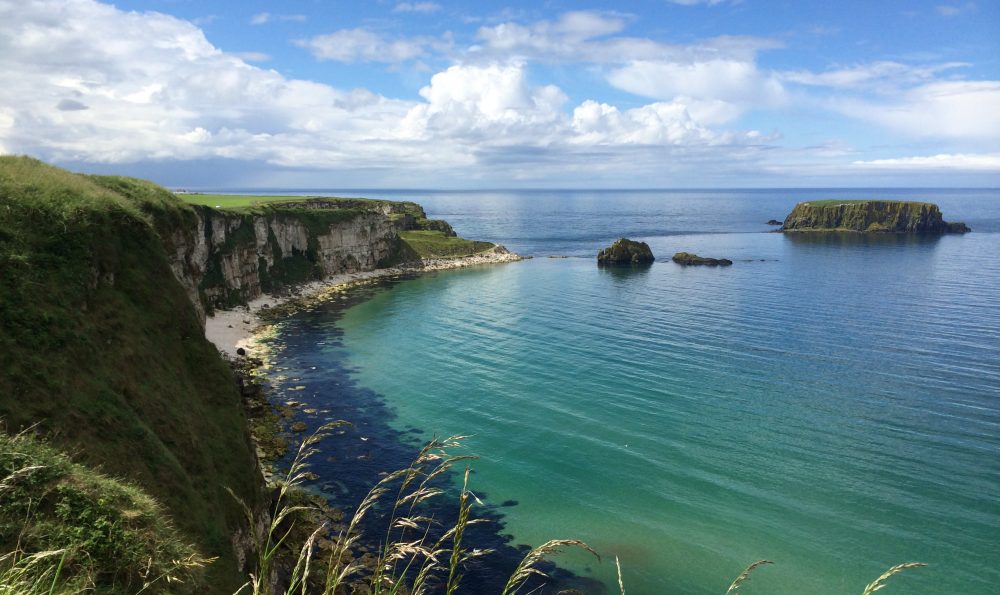
Far Away, So Close

Things that appear beautiful from far away can sometimes be not so attractive when you’re close up. The cracks, blemishes, or trash around the object detracts.   Or sometimes, the closer you get, you see more intricate details and brilliant colors, and the true beauty reveals itself.  Here are two sets of pictures, far away and close, for you to consider.  Let me know…which is more beautiful to you, far away or so close?  Slainte, Lisa
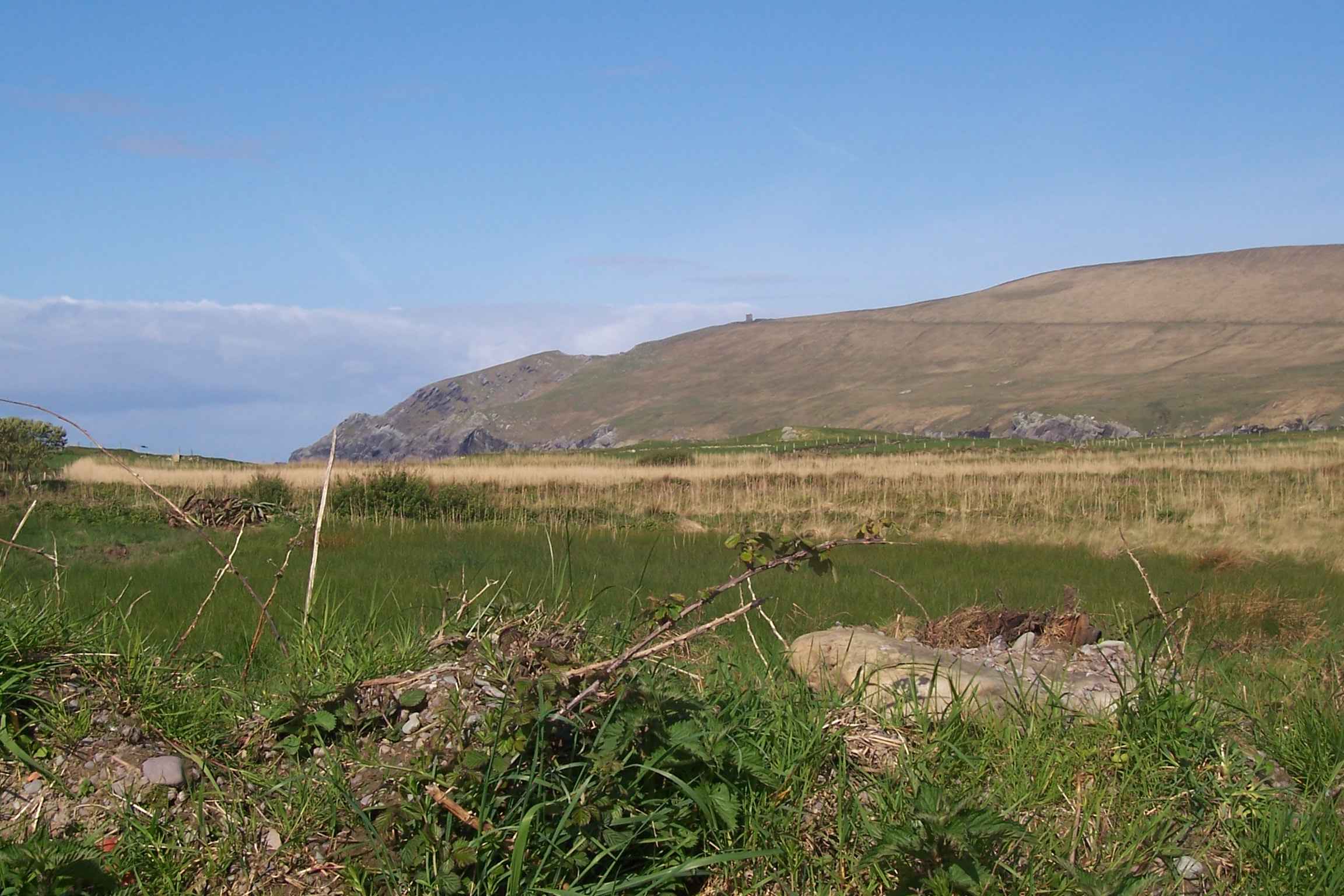
Bray’s Head Tower in the distance on the far hill
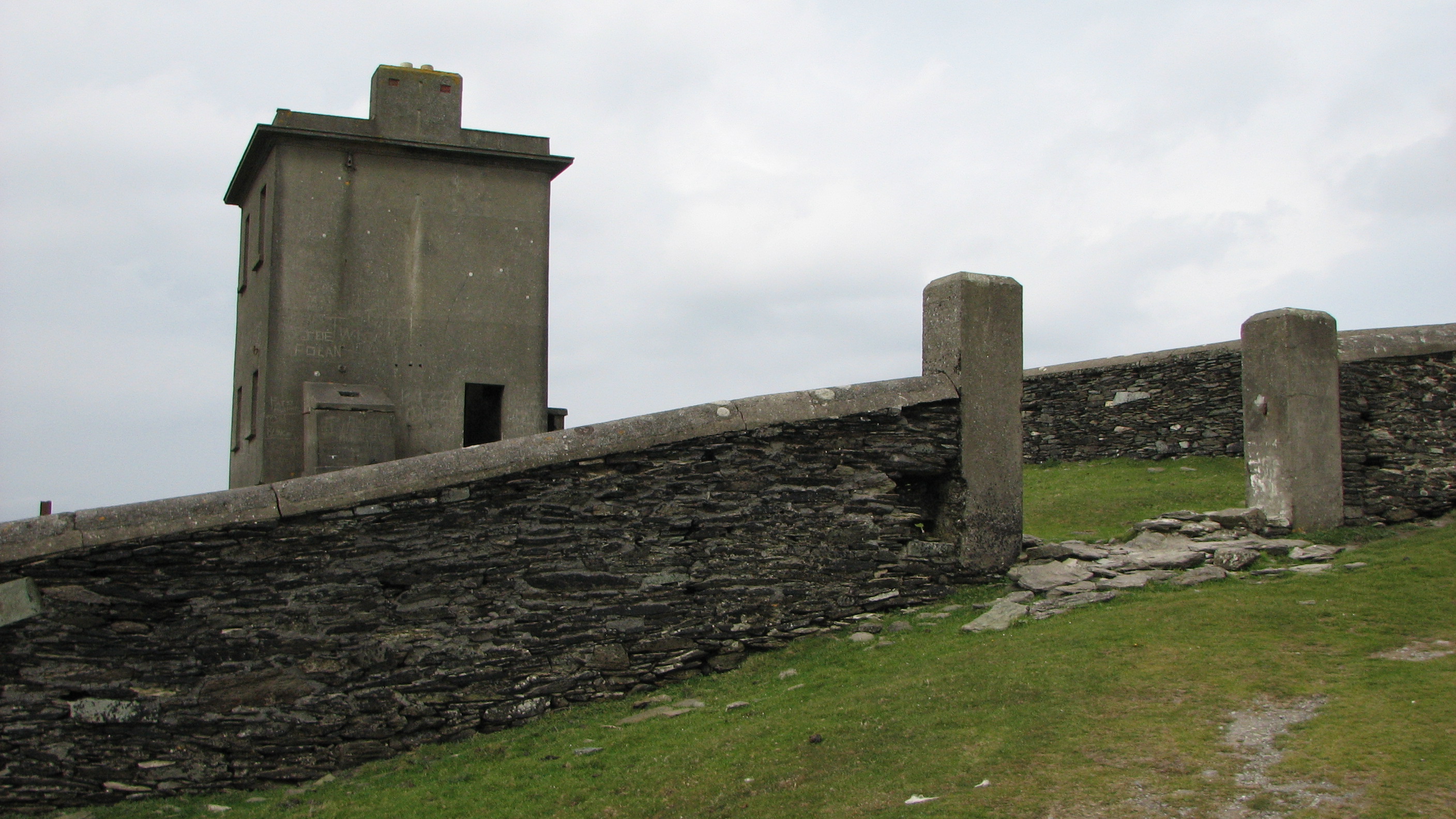


Bray’s Head Tower up close

ring fort

Leacanabuille Ring Fort far away

ring fort

Leacanabuille Ring Fort up close


*”Stay (Faraway, So Close)” – U2, Zooropa
 

Blessings and Small New Starts

The end of Labor Day, and summer, and a new start to school, to work, to life.  These transitions after a holiday are always a little exciting, and a little nerve-wracking.  It takes the body and the mind a little time to adjust to new things, and for me, the more excited I can get about something, the better it usually goes.

That’s why I like this Irish saying/blessing:

“May God bless the work.  Let’s begin in the name of God.”

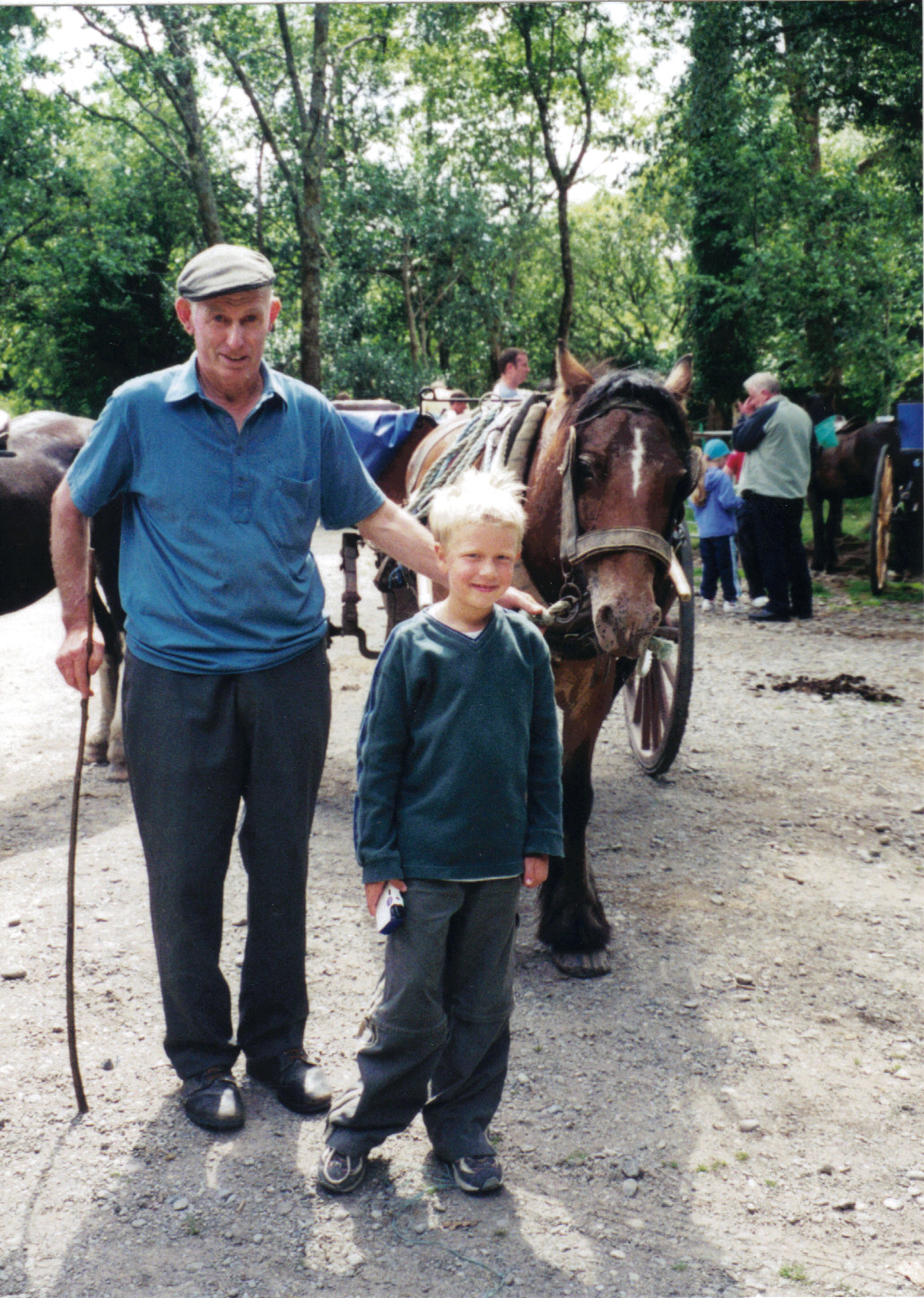
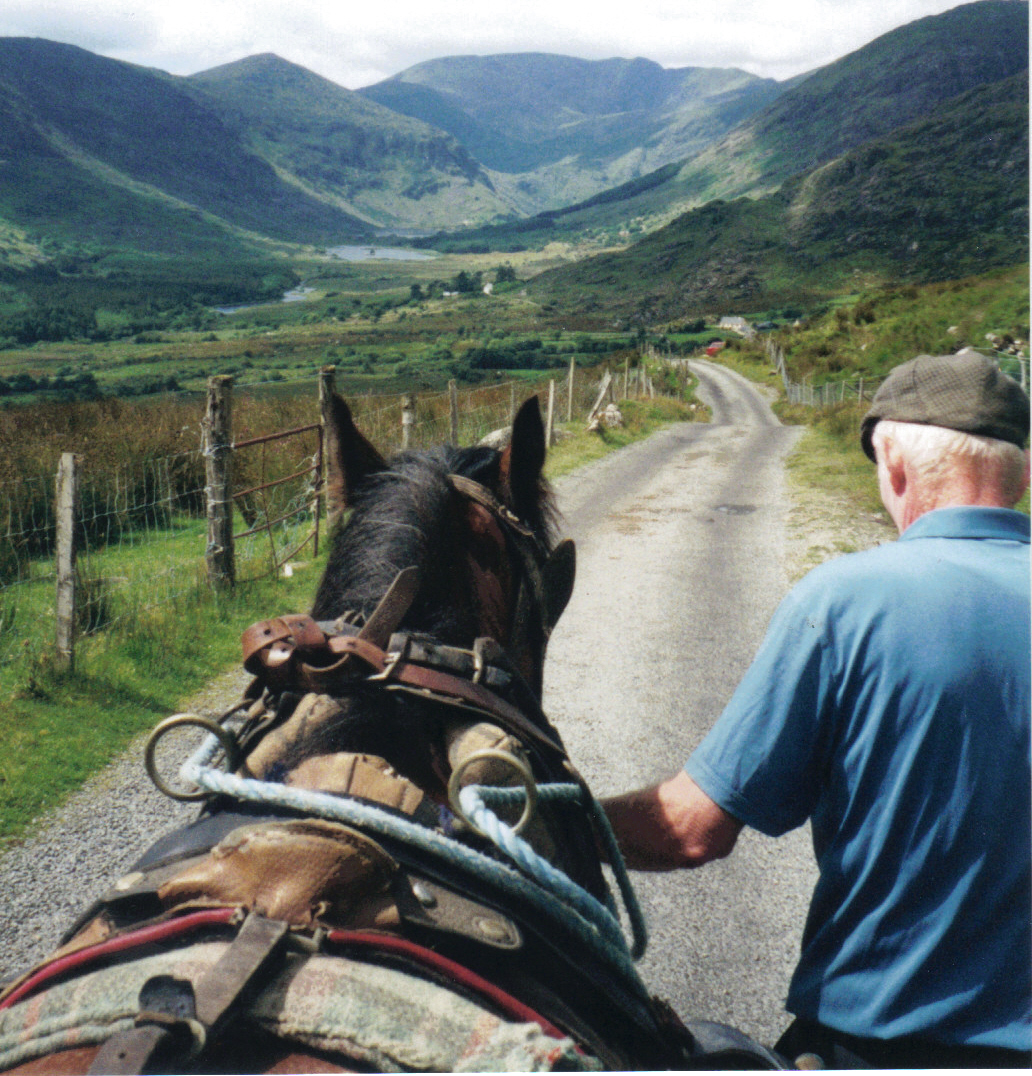
This picture is of a wonderful man from county Kerry, who worked in the Gap of Dunloe back in 2001.

His horse’s name is Billy Boy, and he loved that horse.  He loved his job.  He seemed so content and happy taking us through those beautiful hills, the kind of quiet contentment that radiates through a person.  As we would approach a hill, we would all get out to walk, and he would whisper encouragement to that horse all the way to the top.  I’m glad I have this picture to remind me of him and his love for what he did.

So, whatever you are doing today, it can be a small new start, a chance to give glory to God with what your hands find to do.  May God bless the work.  Slainte, Lisa

Greatest Love Ever


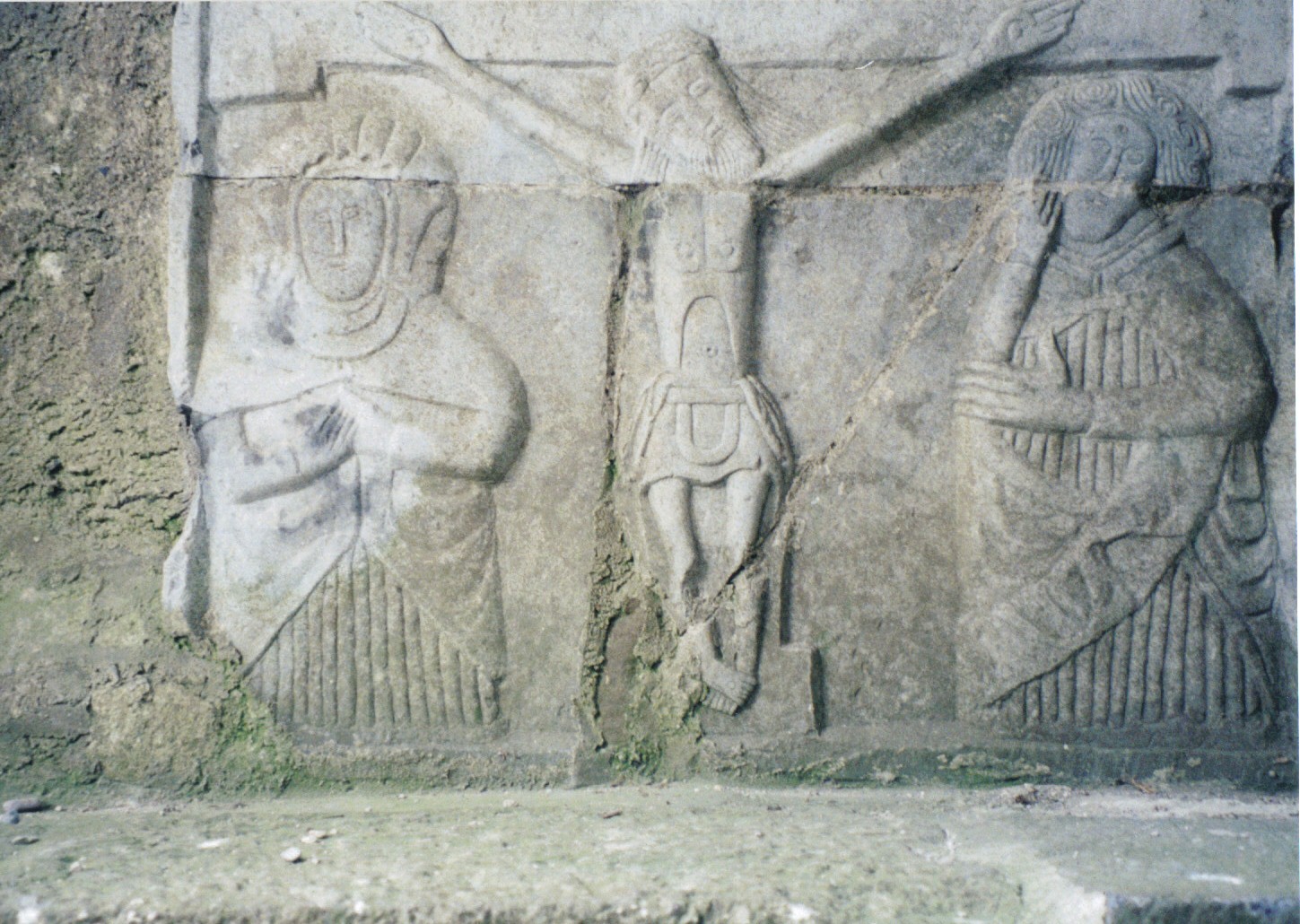
An amazing carving of Jesus at the Rock of Cashel, County Tipperary.

“Love each other as I have loved you.  Greater love has no one than this, that he lay down his life for his friends.” – Jesus  (John 15:12-13)

I’m so thankful for this amazing love and grace.  Have a blessed weekend.

Slainte, Lisa

P.S. If you want to see more pictures of the Rock of Cashel, please visit http://www.bpmlegal.com/ireland/cashel.htm.  Mike has wonderful pictures there to view.

Am I Flying Yet?

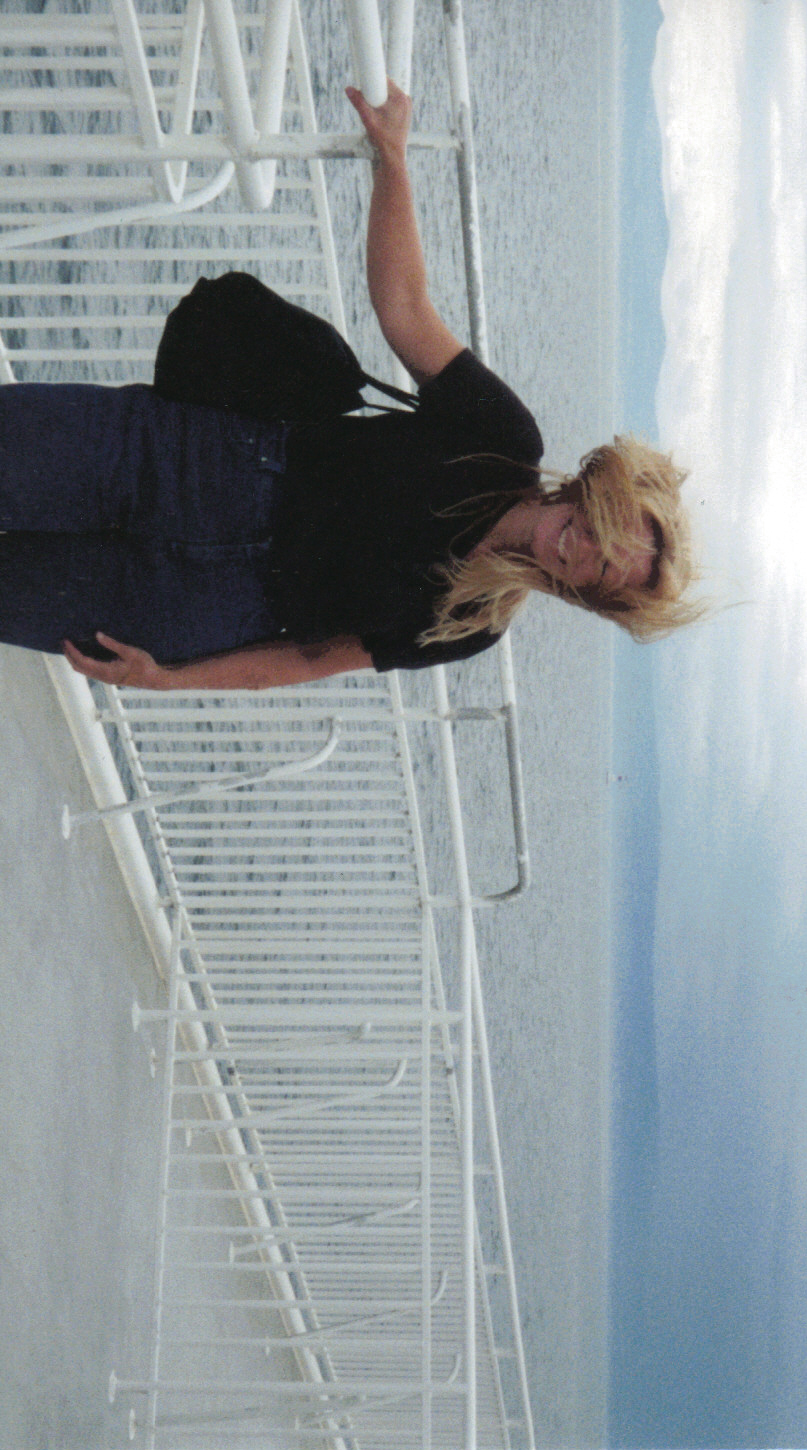
Am I flying yet, or is it just really windy?  Those of you who know me, or have been reading this blog, know how much I want to fly.  Up in the sky, dipping in and out of the clouds, catching a wind current and just gliding on it.  Ahhh…  Many a great nighttime  dream I have had doing that very thing.  One good flap of the arms, and I’m up!  🙂

These pictures show Joshua and I on the ferry from Wales over to Dun Laoghaire, Ireland.  And as you can see, it was majorly WINDY!  And also as you can see, Joshua had the little boy courage to put those arms out and fly!  As for me, the only thing flying was my hair…right in my face.  haha


All I know is….there is a super cool passage about flying in 1 Thessalonians.  Check it out:

“For the Lord himself will come down from heaven, with a loud command, with the voice of the archangel and with the trumpet call of God, and the dead in Christ will rise first.  After that, we who are still alive and are left will be caught up together with them in the clouds to meet the Lord in the air.  And so we will be with the Lord forever.”  (1 Thess. 4:16-17)

Sure sounds like an awesome flying experience to me!  Hope to see you there.  🙂

Slainte, Lisa


View From a Beehive (Hut, That Is)

beehive hut

View From Inside a Beehive Hut, Dingle

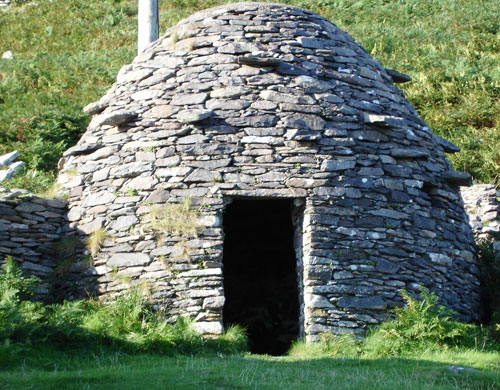
Beehive huts can be found in various parts of Ireland, especially in Dingle.    Resembling….wait for it….beehives! in shape, and oft times clustered together in groupings.  www.celticquill.com has a great article on these amazing structures:  “Clocháns are dry-stone buildings dating from c.2000 BC. They are usually round in shape, but rectangular huts are known as well. What gives these huts their distinctive appearance is a building technique known as corbelling, i.e. the layering of stones, with each layer bending slightly closer and narrower towards the peak. Stones were laid with an outward and downward tilt to shed water, making these huts watertight.”

Photo courtesy of http://www.celticquill.com

People lived in them, such as visitors or monks, and later on, they were used for farm animals or storage.  When we visited some in Dingle, we were amazed by two things:  how low the door entrances were (my husband whacked his poor head on one), and how amazingly perfect and dry and intact they still were after all these hundreds of years.  Talk about well-built to stand the test of time.  To quote many a time-traveled elder:  “They don’t make ’em like they used to.”   🙂  Slainte, Lisa